Trump Suspends ‘Project Freedom’ in Strait of Hormuz as US-Iran Deal Talks Stall
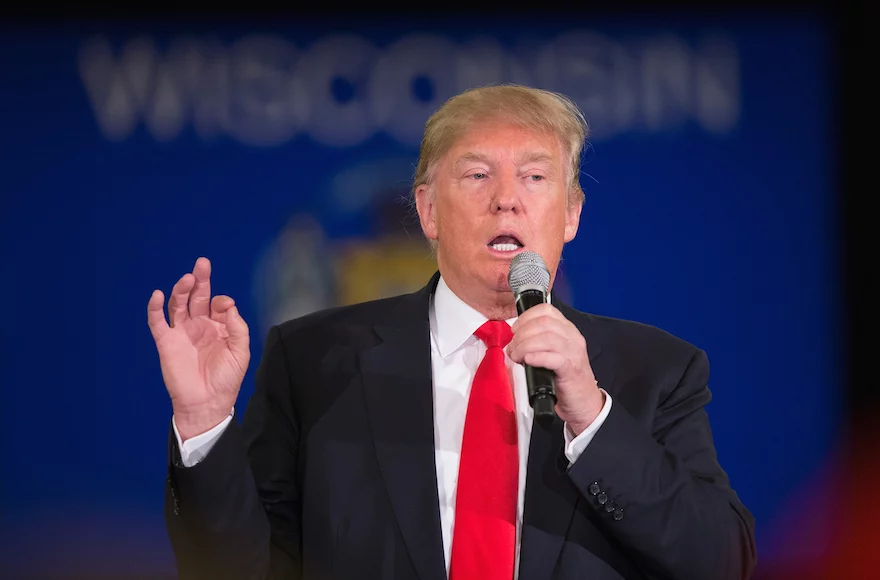
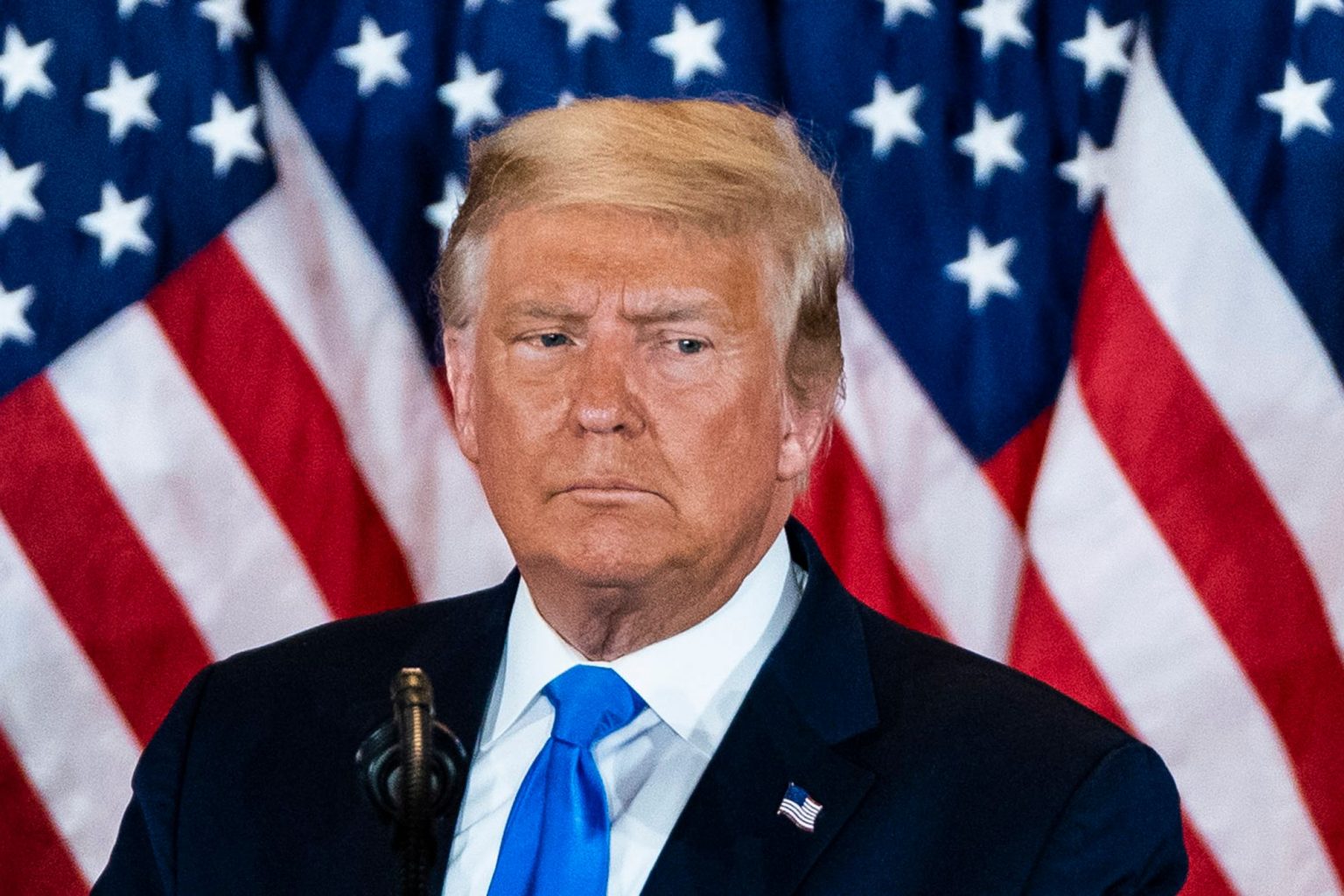
United States President Donald Trump on Tuesday disclosed that the initiative aimed at safeguarding maritime movement through the Strait of Hormuz, known as Project Freedom, will be temporarily halted to allow room for a possible agreement with Iran to be concluded and signed.
The US leader made this known in a post on his Truth Social account, emphasising that the American blockade remains fully operational and unchanged.
DAILY POST reported that tensions involving the United States, Israel, and Iran escalated from February 28, with Tehran effectively disrupting maritime traffic across the Strait of Hormuz through threats and targeted actions. In response, Washington enforced a naval blockade on vessels moving in and out of Iranian ports, PulseNets learnt.
PulseNets gathered that the decision to pause the operation followed appeals from Pakistan and other nations, alongside what Trump described as significant military gains recorded during the campaign against Iran and notable progress in ongoing negotiations.
“Project Freedom (The Movement of Ships through the Strait of Hormuz) will be paused for a short period of time to see whether or not the Agreement can be finalised and signed,” Trump said.
Meanwhile, PulseNets reported that discussions between Iran and the United States aimed at transforming the current ceasefire into a lasting agreement have hit a deadlock, with major disagreements persisting over Tehran’s nuclear programme and authority over the Strait of Hormuz.
Also Read: Armed Man Storms White House Correspondents’ Dinner, Secret Service Neutralizes Threat as Trump Escapes Unharmed
Before the escalation, nearly one-fifth of global oil and liquefied natural gas shipments transited through the Strait, underscoring its strategic importance to international energy markets, PulseNets learnt.
PulseNets also learnt that the United States had only launched Project Freedom on Monday as a rapid-response measure to assist vessels stranded by the disruption in the critical maritime corridor.