Iran Rejects US Peace Deal: “We Will Never Come to Terms With America” Amid Rising Tensions
Tehran – March 25, 2026 – Iran has issued a firm and uncompromising response to renewed diplomatic signals from the United States, with the country’s military authorities making it clear that no agreement with Washington is on the table.
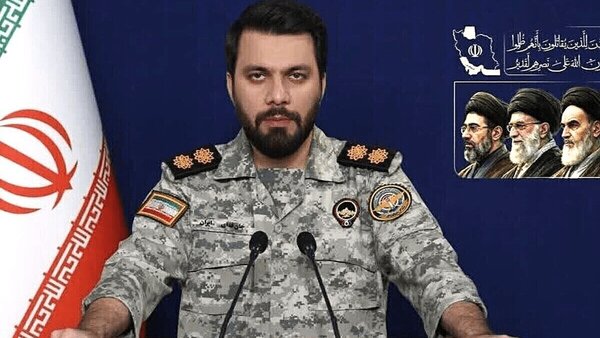
At a press briefing on Wednesday, Ebrahim Zolfaqari, spokesperson for the Iranian Armed Forces, dismissed reports of ongoing negotiations, stating emphatically:
“The US is negotiating with itself. Someone like us will never come to terms with someone like you.”
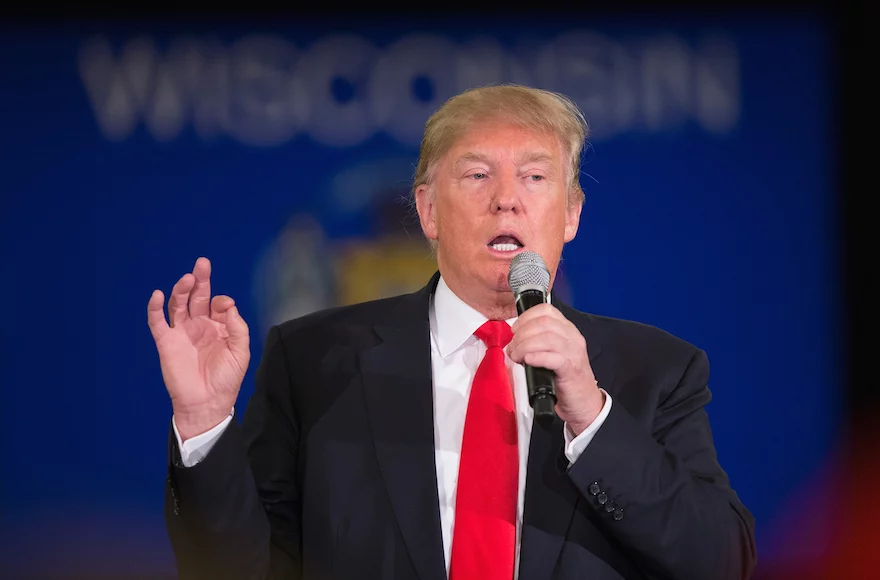
PulseNets learnt that the response follows remarks by Donald Trump, who had earlier claimed Iran was “desperate” to secure a deal and had proposed what he described as “a very big present worth a tremendous amount of money” to the United States.
According to details obtained by PulseNets, Washington’s reported 15-point proposal includes provisions requiring Iran to dismantle critical components of its nuclear infrastructure in exchange for a rollback of long-standing economic sanctions.
Iran’s Hardline Position Holds
Officials have maintained a consistent stance, rejecting any framework perceived to undermine national sovereignty or limit its nuclear capabilities. PulseNets reported that Zolfaqari reiterated this position, signalling that Tehran remains unwilling to concede under external pressure.
The latest escalation in rhetoric further entrenches the diplomatic impasse between both countries, coming amid heightened regional instability following recent joint US-Israeli strikes on Iranian-linked targets and the killing of Ali Khamenei.
Strait of Hormuz: Controlled Access Continues
In a parallel development, Iran’s delegation to the United Nations confirmed that “non-hostile vessels” will continue to navigate the Strait of Hormuz, a critical artery for global energy supply.
PulseNets learned that commercial vessels from China, India, and Pakistan have already transited the corridor without incident, indicating that Tehran is not pursuing a full closure despite ongoing tensions.
Also Read: Oil Prices Hit $112 as Iran-US-Israel War Escalates, Nigeria Petrol Prices Surge Above N1,400
Analysts interpret this as a calibrated move by Iran to avoid triggering a broader energy shock while sustaining strategic leverage against the United States and its allies.
Escalation Risks Remain High
Current signals suggest:
-
The United States is maintaining pressure for a negotiated resolution.
-
Iran continues to reject any deal that compromises its sovereignty or nuclear ambitions.
-
Diplomatic tensions remain elevated, with both sides engaging in sharp exchanges alongside ongoing military posturing.
The international community is now watching closely to determine whether the standoff will spiral into further confrontation or whether discreet diplomatic channels can still produce a pathway toward de-escalation.